Renewable Diesel Pretreatment
Pretreatment for Sustainable Aviation Fuel (SAF)
Maximize Your Yield With Single-Step Pretreatment
ARA’s HCU Pretreat process (also known as HVO pretreatment) is a single-step solution that cleans up a wide variety of feedstock materials using a simple refinery process, providing renewable diesel pretreatment and pretreatment for sustainable aviation fuel.
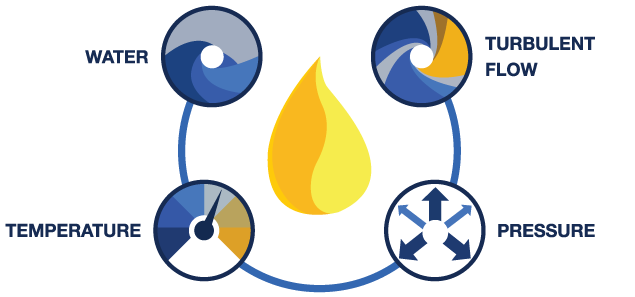
With just water, heat, pressure and turbulent flow, HCU Pretreat ensures a clean, high-value stream ready for conversion.
HCU Pretreat Renewable Diesel Pretreatment Advantages



No Mass Loss

No Equipment Modification

Lower CAPEX
and OPEX
No Solid Waste
Send Me More Information
For more information contact:
Chuck Red | cred@ara.com | 850-628-0332
Jocelyn Goodwin | jgoodwin@ara.com | 850-532-8124
The HCU Pretreat process (also known as HVO pretreatment) consists of a continuous, refinery-friendly, single-step process that utilizes common refinery equipment such as pumps, heat exchangers, and a hot oil furnace or refinery high-pressure steam. The HCU Pretreat process requires only water, heat, and pressure to remove metals and other inorganics from most common feedstocks. This patented process is most commonly used for renewable diesel pretreatment as well as the pretreatment of sustainable aviation fuel (SAF).
Seen above: an illustration of the HCU Pretreat renewable diesel pretreatment process
Commercially-Proven
The first commercial HCU Pretreat units, including units for renewable diesel pretreatment and the production of sustainable aviation fuel (SAF), have begun production with the pretreated product consistently meeting specifications.
No Mass Loss
Our HCU Pretreat process preserves nearly 100% of the feedstock – including the lipid portion of phospholipids and organically bound chlorides.
while
Competing technologies can have 5-10% feedstock depending on level of contamination in feedstock, losses due to:
- all gums to a waste product
- oils remaining in spent
- bleaching clay
- oils lost in wastewater emulsion
Preserves Nearly 100% of the Feedstock
No Equipment Modification
Our HCU Pretreat process is the same, regardless of the level of inorganic content in the feedstock.
Operating costs are similar for differing levels of inorganic content; RBD soybean oil (20ppm inorganics), DCO (50 ppm inorganics), UCO (200-500 ppm inorganics), and brown grease (>1000 ppm inorganics).
while
Conventional technologies require more frequent changes of filter media for higher inorganic content feedstocks.
Performance Successfully Demonstrated on Many Challenging Feedstocks
See the test results
Lower CAPEX & OPEX
HCU Pretreat provides as much as a 50% savings in CAPEX compared to traditional pots and pans pretreatment utilizing less than half the number of pieces of major equipment and requiring less than ¼ of the footprint of a pots and pans pretreatment unit.
and
HCU Pretreat provides approximately $0.07/gallon OPEX savings.
Provides as Much as a 50% Savings in CAPEX
No Solid Waste
No diatomaceous earth/ bleaching clay filtering and disposal.
while
Competing technologies require the purchase and disposal of tons of diatomaceous earth, used for filtering, per day and often still require other filtering media.
HCU Pretreat filtering requires only particulate filters used to protect pumps.
No centrifuges required for separation of water or inorganics, while competing technologies require the use of expensive, high-maintenance centrifuges.
Only byproduct is treatable wastewater containing inorganics.
while
Competing technologies require additional steps to achieve the same cleanup as HCU Pretreat, each producing its own waste stream.
Only Byproduct is Treatable Wastewater
Crude Soybean Oil
| Sample | P (ppm) | Ca (ppm) | Mg (ppm) | Na (ppm) | K (ppm) | Fe (ppm) | |
|---|---|---|---|---|---|---|---|
|
1 |
Feed
|
642.0 |
47.6 |
50.6 |
13.2 |
229 |
<0.1 |
|
Product |
0.6 |
<0.1 |
<0.1 |
1.4 |
1.4 |
<0.1 |
|
|
2 |
Feed |
510.0 |
55.2 |
43.2 |
0.6 |
197.4 |
<0.1 |
|
Product |
0.7 |
0.1 |
<0.1 |
1.1 |
<0.1 |
<0.1 |
|
Crude Degummed Soybean Oil
| Sample | P (ppm) | Ca (ppm) | Mg (ppm) | Na (ppm) | K (ppm) | Fe (ppm) | |
|---|---|---|---|---|---|---|---|
|
1 |
Feed
|
254 |
36.3 |
23.7 |
0.8 |
79 |
0.4 |
|
Product |
0.4 |
<0.1 |
<0.1 |
0.2 |
<0.1 |
<0.1 |
|
|
2 |
Feed
|
57.1 |
29.3 |
13.1 |
<0.1 |
10.1 |
0.3 |
|
Product |
0.7 |
<0.1 |
0.1 |
<0.1 |
<0.1 |
0.1 |
|
Distillers Corn Oil
| Sample | P (ppm) | Ca (ppm) | Mg (ppm) | Na (ppm) | K (ppm) | |
|---|---|---|---|---|---|---|
|
1 |
Feed
|
0.8 |
3.0 |
0.6 |
56.0 |
5.2 |
|
Product |
0.0 |
0.1 |
0.0 |
0.1 |
0.1 |
|
|
2 |
Feed |
3.7 |
1.3 |
0.1 |
4.3 |
3.8 |
|
Product |
0.2 |
0.1 |
0.0 |
0.0 |
0.0 |
|
|
3 |
Feed |
3.3 |
<0.1 |
<0.1 |
1.9 |
1.6 |
|
Product |
0.7 |
<0.1 |
<0.1 |
0.7 |
0.5 |
|
|
4 |
Feed |
5.9 |
<0.1 |
1.6 |
1.4 |
7.2 |
|
Product |
0.6 |
0.1 |
<0.1 |
0.3 |
<0.1 |
|
POME
| Sample | P (ppm) | Ca (ppm) | Mg (ppm) | Na (ppm) | K (ppm) | Fe (ppm) | Al (ppm) | |
|---|---|---|---|---|---|---|---|---|
|
1 |
Feed
|
25.1 |
62.4 |
11.1 |
3 |
48.7 |
52.3 |
9.4 |
|
Product |
0.5 |
1.7 |
0.1 |
0.3 |
1.6 |
2.7 |
<0.1 |
|
Brown Grease
| Sample | P (ppm) | Ca (ppm) | Mg (ppm) | Na (ppm) | K (ppm) | Fe (ppm) | |
|---|---|---|---|---|---|---|---|
|
1 |
Feed
|
301.2 |
3951.4 |
25.2 |
185.4 |
60.8 |
575.8 |
|
Product |
4.0 |
9.6 |
0.1 |
0.0 |
0.1 |
8.3 |
|
|
2 |
Feed |
23.5 |
148.5 |
1.8 |
34.6 |
9.9 |
174.0 |
|
Product |
<0.1 |
0.2 |
<0.1 |
1.2 |
<0.1 |
3.7 |
|
|
3 |
Feed |
22.9 |
48.3 |
1.1 |
32.0 |
8.8 |
463.4 |
|
Product |
0.6 |
0.5 |
<0.1 |
0.8 |
<0.1 |
2.0 |
|
Carinata Oil, UCO, DCO, Tung Oil, Pongamia Oil, Peanut Oil, Brown Grease Blend
| Sample | P (ppm) | Ca (ppm) | Mg (ppm) | Na (ppm) | K (ppm) | Fe (ppm) | Al (ppm) | |
|---|---|---|---|---|---|---|---|---|
|
1 |
Feed
|
8.9 |
6.9 |
1.9 |
2.7 |
4.1 |
13.9 |
0.4 |
|
Product |
<0.1 |
<0.1 |
0.1 |
0.2 |
<0.1 |
<0.1 |
<0.1 |
|
Used Cooking Oil
| Sample | P (ppm) | Ca (ppm) | Mg (ppm) | Na (ppm) | K (ppm) | Fe (ppm) | |
|---|---|---|---|---|---|---|---|
|
1 |
Feed
|
41.2 |
1.5 |
10.8 |
14.2 |
33.9 |
|
|
Product |
1.4 |
0.3 |
0.0 |
0.0 |
0.0 |
|
|
|
2 |
Feed |
24.9 |
1.0 |
3.2 |
7.0 |
11.4 |
|
|
Product |
0.1 |
0.3 |
0.0 |
0.0 |
0.5 |
|
|
|
3 |
Feed |
13.1 |
2.9 |
0.8 |
18.2 |
7.4 |
4.4 |
|
Product |
<0.2 |
0.1 |
<0.1 |
0.6 |
0.7 |
0.1 |
|
|
4 |
Feed |
13.4 |
3.3 |
0.8 |
46.5 |
12.8 |
8.4 |
|
Product |
0.3 |
<0.1 |
<0.1 |
0.3 |
0.4 |
<0.1 |
|
Choice White Grease
| Sample | P (ppm) | Ca (ppm) | Mg (ppm) | Na (ppm) | K (ppm) | Fe (ppm) | Al (ppm) | |
|---|---|---|---|---|---|---|---|---|
|
1 |
Feed
|
335 |
586 |
19.3 |
54 |
106 |
33.1 |
15.2 |
|
Product |
0.6 |
0.8 |
<0.1 |
0.5 |
<0.1 |
0.1 |
<0.1 |
|
Poultry Fat
| Sample | P (ppm) | Ca (ppm) | Mg (ppm) | Na (ppm) | K (ppm) | Fe (ppm) | Al (ppm) | |
|---|---|---|---|---|---|---|---|---|
|
1 |
Feed
|
643 |
73.8 |
10.5 |
97.4 |
523 |
16.5 |
14.8 |
|
Product |
0.8 |
0.2 |
0.2 |
0.7 |
1.2 |
0.2 |
<0.1 |
|
|
2 |
Feed |
335 |
135 |
15.7 |
72.4 |
132 |
6.7 |
22.4 |
|
Product |
2.0 |
<0.1 |
<0.1 |
0.2 |
0.5 |
0.1 |
0.3 |
|
Packers Tallow
| Sample | P (ppm) | Ca (ppm) | Mg (ppm) | Na (ppm) | K (ppm) | Fe (ppm) | Al (ppm) | |
|---|---|---|---|---|---|---|---|---|
|
1 |
Feed
|
142 |
<0.2 |
0.2 |
229 |
59.4 |
<0.1 |
<0.1 |
|
Product |
0.7 |
0.7 |
<0.1 |
1.6 |
<0.2 |
0.2 |
<0.1 |
|
Brown Grease/Yellow Grease Blend
| Sample | P (ppm) | Ca (ppm) | Mg (ppm) | Na (ppm) | K (ppm) | Fe (ppm) | Al (ppm) | |
|---|---|---|---|---|---|---|---|---|
|
1 |
Feed
|
42 |
1029 |
12.6 |
90 |
36 |
198 |
751 |
|
Product |
0.5 |
1.0 |
<0.1 |
1.4 |
0.9 |
2.7 |
0.8 |
|
|
2 |
Feed |
28 |
520 |
6.8 |
65 |
22 |
108 |
413 |
|
Product |
<0.1 |
1.5 |
<0.1 |
0.5 |
0.4 |
1.3 |
0.4 |
|
|
3 |
Feed |
600 |
308 |
32.2 |
212 |
153 |
316 |
1027 |
|
Product |
1.4 |
2.9 |
0.2 |
2.3 |
3.3 |
12.7 |
2 |
|
|
4 |
Feed |
18 |
562 |
2.9 |
31.9 |
12.4 |
223 |
553 |
|
Product |
0.5 |
<0.1 |
0.1 |
0.7 |
0.9 |
<0.1 |
<0.1 |
|
|
5 |
Feed |
30.4 |
498 |
3 |
35 |
40 |
336 |
516 |
|
Product |
0.4 |
0.5 |
<0.1 |
0.2 |
<0.1 |
1.9 |
1.4 |
|
|
6 |
Feed |
27 |
496 |
<0.1 |
31 |
29 |
334 |
519 |
|
Product |
0.4 |
0.2 |
<0.1 |
<0.1 |
0.6 |
1.7 |
0.8 |
|
DCO - UCO - Brown Grease Blend
| Sample | P (ppm) | Ca (ppm) | Mg (ppm) | Na (ppm) | K (ppm) | Fe (ppm) | Al (ppm) | |
|---|---|---|---|---|---|---|---|---|
|
1 |
Feed
|
173 |
272 |
22.1 |
128 |
68 |
79 |
356 |
|
Product |
1.1 |
1.0 |
0.1 |
2.0 |
0.7 |
2.9 |
0.3 |
|
Product Quality
Is HCU Pretreat® compatible with typical Hydrodeoxygenation/Isomerization backend technologies?
Yes. HCU Pretreat® consistently delivers high quality results, meeting typical guarantees of less than 2 ppm phosphorus and less than 5 ppm metals across most feedstocks.
Does HCU Pretreat® hydrolyze lipids?
Our precisely controlled operating conditions are designed to minimize the conversion of lipids to fatty acids, ensuring optimal feedstock integrity.
Does HCU Pretreat® increase TAN?
A modest TAN increase of 0.5%–20% may occur, depending on feedstock stability and contaminant levels—a manageable part of the pretreatment process.
Does HCU Pretreat® remove chlorine?
Yes. The system achieves near complete removal of inorganic chlorides and effectively reduces a portion of organic chlorides.
Operations
Is a bleaching step required in the HCU Pretreat® process?
No. HCU Pretreat® is a streamlined, single step continuous flow process using only water—eliminating the need for bleaching or solids handling.
What are the labor requirements?
The process is highly efficient, requiring less than one FTE board operator and less than one FTE field operator.
Does HCU Pretreat® operate under supercritical water conditions?
No. HCU Pretreat® operates under subcritical conditions for safer, more efficient processing.
How much wastewater is produced?
The process produces approximately twice as much wastewater as conventional “pots and pans” systems—but it is the only byproduct and is fully treatable.
Are there any additional waste streams?
No. Treatable wastewater is the only waste stream generated.
Does HCU Pretreat® require a catalyst?
No. The process relies solely on water, eliminating the need for catalyst handling, storage, or replacement.
Does switching feedstocks require system reconfiguration?
No. HCU Pretreat® is designed for versatility, enabling seamless transitions between feedstocks or blend ratios without system reconfiguration.
What about materials of construction and corrosion?
300 series stainless and duplex alloys provide robust protection in high temperature sections. Feedstocks with elevated chlorine levels may require alternative alloys.
What are the maintenance and turnaround considerations related to fouling?
Fouling is minimal and limited to heat exchangers, which can be quickly flushed and returned to service. Spare exchangers can be incorporated to align turn around cycles between the HCU Pretreat unit and HDO/Isomerization units.
Engineering and Construction
What is the footprint of HCU Pretreat®?
HCU Pretreat® requires just one sixth the footprint of conventional pretreatment systems—delivering significant plot space savings.
Does ARA provide engineering services?
ARA supplies a comprehensive design basis and collaborates with your selected engineering firm to develop the basic engineering design package.
Does HCU Pretreat® require proprietary equipment or specific vendors?
No. Licensees have full flexibility to select preferred vendors, optimizing cost, lead times, and supply options.
Related Technologies

Covered by U.S. Patent 10,071,322 B2 (2018), U.S. Patent 11,781,075 (2021), and European Patent 3250660 (2023)