 ARA is proudly supporting the development of CBVR2, a virtual world technology platform that will enhance readiness and transform how Department of Defense instructors and planners prepare personnel for complex chemical, biological, radiological, and nuclear (CBRN) environments.
By integrating high-fidelity hazard simulations into broader mission scenarios, CBVR2 enables users to assess, rehearse, and refine critical defense tasks in a realistic and adaptive virtual setting.
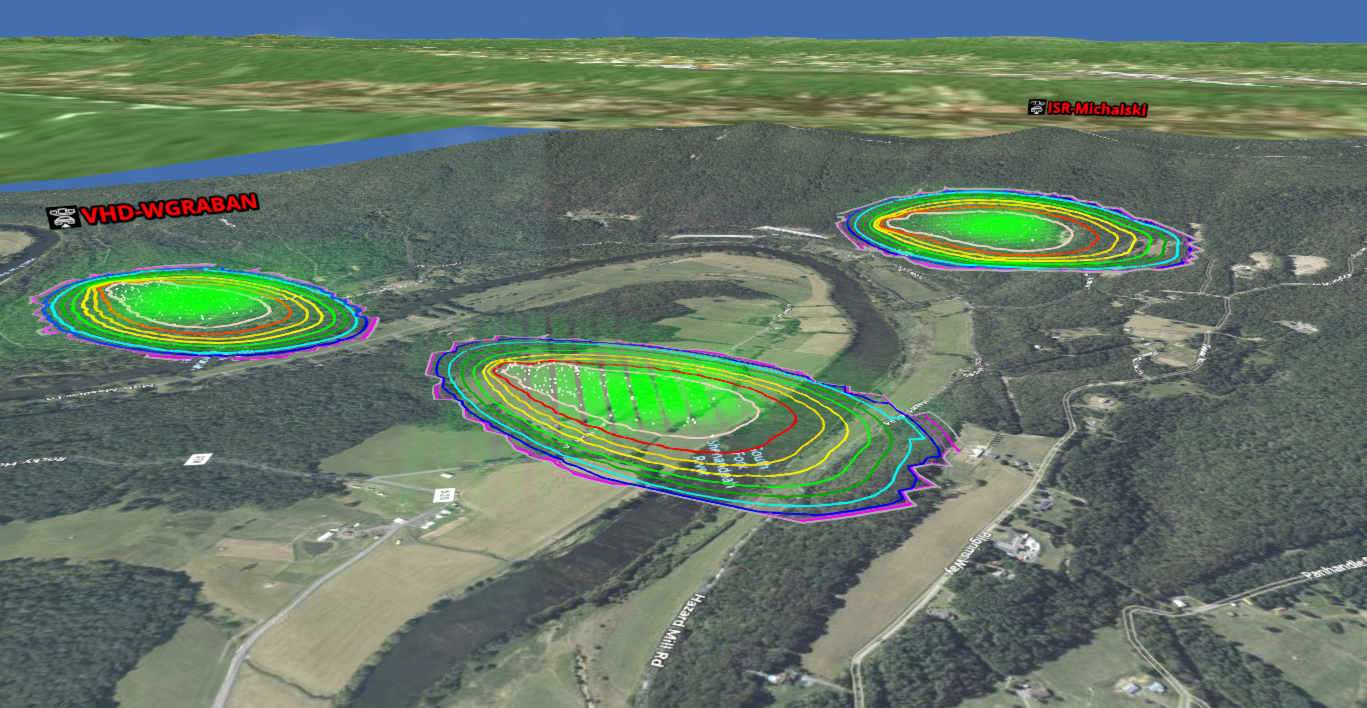
The platform allows planners to inject chemical and biological (CB) challenges into dynamic, mission-based environments, providing a comprehensive framework to measure user performance and operational effectiveness. CBVR2 supports a wide range of CB-release scenarios, which can be tailored to specific geographic locations or constructed as notional environments for flexible applications.
Personnel preparing for sensitive site exploitation missions can use CBVR2 to deploy and operate detection sensors, don appropriate individual protective equipment (IPE), and plan routes based on projected threats and vulnerabilities. As scenarios unfold, users must adapt their decisions and execute mission objectives based on evolving conditions and simulated outcomes.
CBVR2’s advanced modeling capabilities enhance realism by linking user decisions directly to dynamic system responses based on the user’s choices, allowing instructors to evaluate response proficiency and adherence to tactics, techniques, and procedures (TTP).
Beyond basic detection, CBVR2 combines high-fidelity sensor emulation with detailed hazard modeling to produce nuanced outcomes influenced by threat characteristics and battlespace conditions. The platform incorporates factors such as force laydown and protective posture to simulate exposure levels, health effects, and the physical and psychological burdens of operating in protective gear.
Scenarios include estimated thresholds for exposure, potential incapacitation, and fatality, as well as modeling of heat strain and the visual degradation associated with IPE use. These elements provide a level of operational realism that extends well beyond traditional casualty estimation methods.
CBVR2 also enables dynamic threat generation and entity tracking within the virtual environment, allowing for open-ended user interaction while maintaining structured performance evaluation. The system captures key CBRN defense metrics and correlates them with broader mission outcomes, including task completion, proficiency levels, and false alarm rates.
By combining immersive simulation with advanced modeling and data-driven assessment, CBVR2 offers a powerful tool for enhancing readiness, improving decision-making, and advancing operational effectiveness in high-risk environments.